
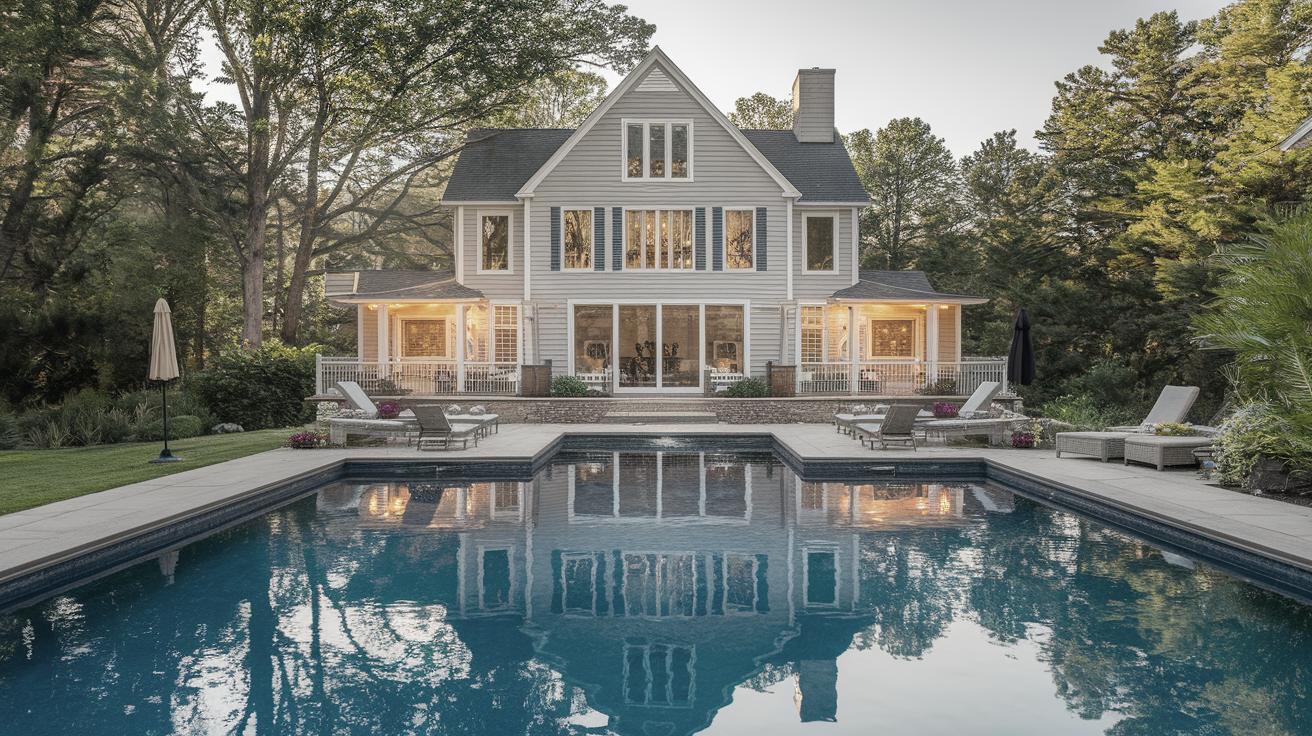
Can You Get a Home Improvement Loan for a Pool?
Installing a swimming pool can transform your backyard into a private oasis, providing both leisure and increases in property value. However, the cost of building and maintaining a pool can be daunting. Financing options such as home equity loans, HELOCs, personal loans, or direct deals through pool dealers can make this investment more accessible. This article breaks down those possibilities and outlines key considerations when financing a pool. Additionally, it explores the typical costs associated with in-ground pools, including materials, size, and yearly maintenance, to help potential buyers calculate the financial commitment involved. Let’s dive into your financing options and what to expect in terms of expenses.
How to Finance a Pool: 4 Options
1. Home Equity Loan
A home equity loan allows homeowners to borrow against the equity they have in their home, often at a fixed interest rate. This option is typically suitable for those who need a lump sum of money upfront. The amount you can borrow is generally up to 85% of your home’s appraised value, minus what you owe on your mortgage. The benefit of a home equity loan is the potentially lower interest rates compared to unsecured loans.
However, one must consider the risks. Defaulting on a home equity loan could lead to foreclosure since the house acts as collateral. It’s essential to assess your ability to repay this debt over the long term. Carefully compare loan offers from various lenders to ensure you get the best terms possible.
2. HELOC
A Home Equity Line of Credit (HELOC) is another popular option that works similarly to a credit card, allowing you to withdraw funds up to a certain limit over a specified term. This is especially useful if your pool construction doesn’t require the entire amount upfront, as you only pay interest on what you actually use.
HELOCs usually start with a lower introductory interest rate that can adjust over time. As with a home equity loan, the house is collateral, meaning failure to repay can result in losing your home. Prospective borrowers should be aware of how interest rates might fluctuate and plan accordingly.
3. Personal Loan
For those without home equity or looking for an unsecured option, personal loans are viable. These loans do not require collateral and provide a lump sum with fixed monthly payments over a set period. They are easier to qualify for than home equity loans and HELOCs and typically involve fewer fees.
The downsides include higher interest rates compared to secured loans and a dependency on credit scores. A robust credit history can lead to better loan terms, but it’s crucial to be prepared for a shorter repayment term, potentially resulting in higher monthly payments.
4. Swimming Pool Loan through the Dealer
Some pool dealers offer financing plans directly. These can be enticing due to convenience, as they often include not only the pool itself but also installation and accessories. Such financing might have promotional interest rates or tailor-made packages for customers.
However, it’s paramount to distinguish whether these deals are genuinely cost-effective. Often, working directly with a dealer might forgo rate comparison, potentially leading to higher expenses. Understanding all terms and conditions can prevent unforeseen costs down the line.
Other Considerations When Financing a Swimming Pool
Beyond the basic financing options, several factors should be considered when planning to finance a pool. First, consider the impact on your home’s value and your long-term financial goals. While pools can add significant value to a home, the return on investment varies widely depending on the region and the quality of the pool and installation.
Moreover, account for ongoing maintenance and repairs, which can add up over time. Regular cleaning, chemical balancing, and potential repairs can affect your budget. Finally, consider the added expense of increasing your homeowner’s insurance to cover your new pool, as it can increase liability coverage costs.
How Much Does an In-ground Pool Cost?
Cost by Material
The material of your pool dramatically influences the overall cost. Vinyl pools are generally the least expensive, ranging from $20,000 to $40,000. Fiberglass options might come in slightly higher, between $30,000 to $60,000, depending on the size and design. Concrete pools, known for their durability and customizability, can exceed $100,000.
While vinyl is more budget-friendly, it may require liner replacements over time. Conversely, fiberglass is low maintenance but comes with fewer customization options. Concrete is ideal for bespoke designs but entails higher maintenance costs.
Cost by Size
The size of your pool will also affect the price. Smaller pools generally start around $20,000, while larger installations can surpass $100,000. Consider not just the initial outlay but how the pool will fit on your lot and the intended use, whether it be for family recreation, exercise, or aesthetics.
Labor and excavation costs should also be factored in, as they can vary significantly based on your property’s accessibility and geographical location. A comprehensive quote can prevent budget overruns by revealing the full scope of the project’s costs upfront.
Yearly Maintenance Cost
In addition to the initial purchase and installation expenses, pool owners should prepare for annual maintenance costs. This includes chemicals, cleaning supplies, and equipment repairs, often ranging from $1,200 to $1,800 annually.
Furthermore, increasing utility bills from running pool equipment like heaters and pumps should be factored into the overall yearly costs. Savvy pool owners may consider energy-efficient equipment or solar heating options to mitigate these rising costs.
Bottom Line
Financing a swimming pool can be a sensible decision for enhancing your home’s value and providing a personal retreat, contingent on diligent financial planning. Determine which financing option aligns with your financial situation and the pool’s prospective benefits to your home. Assess the initial costs, long-term value, and year-round maintenance to ensure you’re prepared for all financial aspects of pool ownership.
Frequently Asked Questions
Q: Can financing a pool significantly increase my home’s value?
A: While pools can boost property appeal, the increase in home value might not always be proportional to the investment, depending on factors like location and market demand.
Q: Which is better: a fixed-rate or variable-rate loan?
A: A fixed-rate loan offers predictable monthly payments, whereas a variable-rate can start lower but may increase over time, affecting affordability.
Q: What precautions should I take with pool dealer financing?
A: Always compare dealer financing rates and terms with external lenders to ensure you’re receiving a competitive offer before committing.
Summary of main points
| Financing Option | Details | Risks |
|---|---|---|
| Home Equity Loan | Low-interest rates, lump sum payment | Risk of foreclosure, affects home collateral |
| HELOC | Withdraw as needed, interest only on what is used | Variable rates, home as collateral |
| Personal Loan | Easier to qualify for, no collateral needed | Higher interest rates, payment terms |
| Dealer Financing | Convenient, often bundled with other services | Potentially higher costs without comparison |

